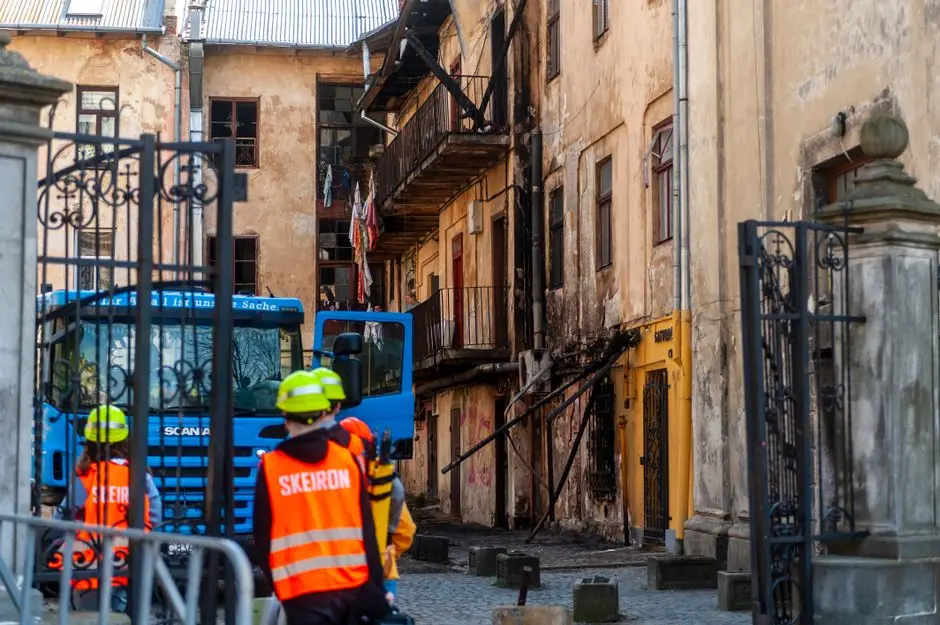
Licensed framing, roof, and wall repair after fire damage.
Structural Repair After Fire in PACIFIC PALISADES, California
Structural Repair After Fire in PACIFIC PALISADES, California is the trade work that makes a burned house safe and sound again - charred framing, compromised roof sheathing, smoke-soaked wall cavities. We handle fire structural damage repair PACIFIC PALISADES homeowners call about after a kitchen, attic, or electrical fire. You get a same-day estimate, a written scope, and a crew that works directly with your adjuster so the rebuild doesn't stall.
Live phone supportUpfront optionsBacked workmanship
What's included
What Structural Repair After Fire Covers
Our structural scope covers everything from board-up through final paint on the rebuilt sections. Contents cleaning, furniture restoration, and temporary housing are handled separately, usually through your insurance policy. Here is what sits inside the structural contract.
Emergency Board-Up and Shoring
Plywood, tarps, and temporary shoring to secure the structure against weather and intrusion. Done within hours of your call, with photos taken before and after for the claim file.
Demolition and Debris Removal
Removal of burned drywall, insulation, and unsalvageable lumber, plus HEPA vacuuming and soot sponging of the exposed cavities. Debris leaves in sealed containers and the site is swept daily.
Framing and Roof Structure Repair
Replacement of charred studs, joists, headers, and roof sheathing, sized and spaced to current California code. Rough framing inspection is scheduled before anything is closed up.
Drywall, Insulation, and Finish
New drywall, insulation, primer, paint, and sealant on the rebuilt sections. We match existing textures and paint colors so the repaired rooms blend with the untouched ones.
Odor and Soot Treatment
Air scrubbers, hydroxyl generators, thermal fogging, and charcoal odor absorbers run during the rebuild so smoke molecules are neutralized before the walls close. HVAC filters are replaced as part of the scope.
Insurance Documentation
Photo documentation, moisture readings, and an Xactimate line-item scope delivered to your adjuster. We handle the back-and-forth so the claim does not stall on paperwork.
Service overview
What Structural Repair After Fire in PACIFIC PALISADES, California Involves
Structural Repair After Fire in PACIFIC PALISADES, California is the phase of fire restoration where we replace what the flames or the firefight actually weakened: charred studs, cracked ceiling joists, burned roof sheathing, and drywall that soaked up water from the hoses. We open the wall, map the damage with a thermal imaging camera and moisture meter, then rebuild to current California code. Cosmetic patching over compromised lumber is how a small fire turns into a sagging ceiling two years later.
Most Pacific Palisades homes we see after a fire are 1950s to 1970s wood-frame builds with original framing and older electrical. A kitchen grease fire or an electrical fire in the attic can char a header beam without the drywall showing it. That is why we treat fire damage structural restoration PACIFIC PALISADES jobs as an inspection-first process - and why homeowners searching for post fire structural repairs near me PACIFIC PALISADES California usually need a licensed structural repair after fire PACIFIC PALISADES California contractor, not a general handyman.
How we workWe verify the cause, compare realistic options, and confirm the repair before we leave.
The service timeline
How Our Structural Fire Repair Process Works
The process flexes to the condition, but these checkpoints keep decisions clear.
Emergency Board-Up
Within hours of your call we secure the property - plywood over broken windows, tarp over roof damage, temporary shoring where a ceiling is at risk. This stops rain intrusion and keeps the site safe. We photograph everything before we touch it, because those photos become part of your insurance file.
Inspection and Scope
A licensed inspector maps the damage with a thermal imaging camera and moisture meter, checking for hidden soot behind walls and water damage from firefighting. We identify charred framing, compromised roof sheathing, and smoke-damaged HVAC components. You get a written scope with line-item pricing, usually within 24 to 48 hours.
Demolition and Clean-Out
We remove burned drywall, insulation, and unsalvageable lumber, then HEPA-vacuum and sponge the exposed cavities. Soot sponges and degreaser handle the residue; a fogger or thermal fogging solution neutralizes odor at the source. Debris goes out in sealed containers, and the site is swept clean at the end of each day.
Framing and Structural Rebuild
New studs, joists, headers, and roof sheathing go in, sized and spaced to code. Where a wall or ceiling carries load, we coordinate with a structural engineer if your carrier or the city requires a stamped plan. Rough framing inspection happens before anything is closed up.
Close-Up and Final Walk
Drywall, insulation, primer, paint, and sealant go back on. We run a final moisture check, confirm odor is gone, and walk the job with you room by room. You get the inspection sign-off, the warranty paperwork, and a clean house - not a punch list of loose ends.
Tools & methods
Tools and Methods We Use on Fire Rebuilds
Purpose-built equipment, used by trained technicians, so the job is done accurately the first time.
Thermal Imaging Camera
Finds hidden soot pockets, moisture from firefighting, and hot spots inside wall cavities without opening every wall. It is how we map the real damage before demolition starts.
Moisture Meter
Reads moisture content in framing and drywall so we know when the structure is actually dry. We do not start framing until readings confirm it.
Air Scrubber and Negative Air Machine
Filters airborne soot and keeps contaminated air from spreading to clean rooms during demolition and rebuild. HEPA filtration captures particles down to 0.3 microns.
Hydroxyl Generator
Neutralizes smoke odor at the molecular level without the occupancy restrictions of ozone. Safe to run in occupied spaces during the rebuild.
Soda Blaster and Dry Ice Blaster
Removes char and soot from framing and masonry without gouging the wood. Useful on exposed beams and brick that are staying in place.
Dehumidifier and Air Mover
Dries water-soaked framing from firefighting before mold has a chance to start. Sized to the cubic footage of the affected area.
Soot Sponges and Degreaser
Chemically lifts soot and grease residue from surfaces that are staying. Standard prep step before any encapsulant or paint goes on.
Use cases
When You Need Structural Repair After Fire
These examples show how the service framework adapts rather than forcing every call through one repair.
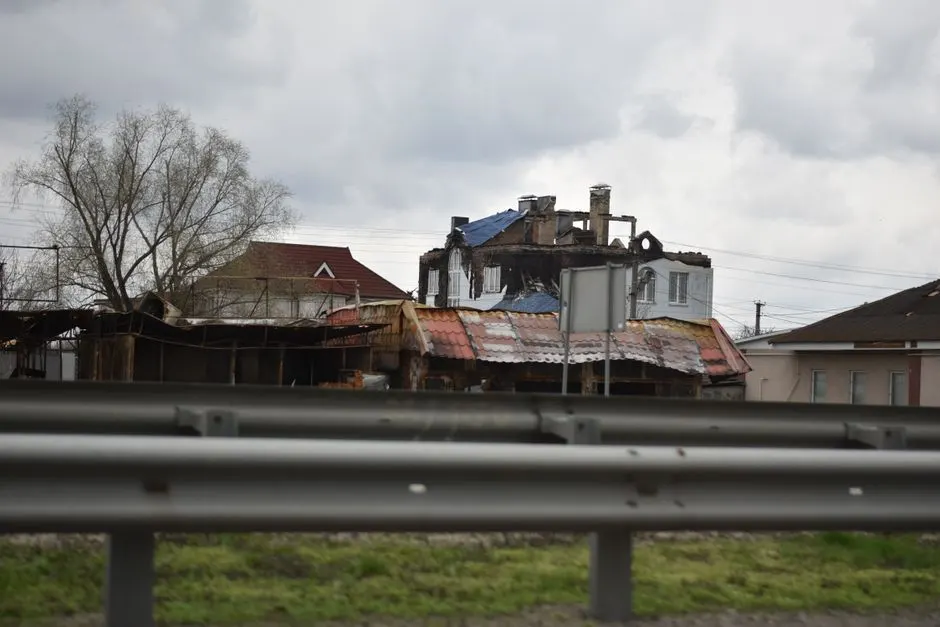
Attic Roof Structure Repair in Marquez Knolls
An electrical fire charred roof sheathing across half the back slope and damaged two trusses. The roof was open to weather and the homeowner had a tarp from a neighbor's contractor that was already failing. → We re-tarped the same night, had an engineer inspect within 48 hours, replaced the sheathing and trusses, and re-shingled the affected slope. The roof passed inspection and the attic was re-insulated. Total time: 5 weeks.
Shared-Wall Rebuild in a Castellammare Fourplex
A bedroom fire in one unit sent smoke into three adjacent units and soaked the shared wall framing with hose water. The landlord had four angry tenants and no clear scope. → We documented damage in all four units, dried the framing with dehumidifiers and air movers, replaced the charred shared-wall framing, and rebuilt drywall and paint in each unit. All four units were re-occupied within 6 weeks under one claim file.
Problems we solve
Fire Damage Problems We Solve in Pacific Palisades
The visible fire damage is rarely the whole story. These are the problems that show up days or weeks after the flames are out - and what we do about them.
Hidden soot behind walls and in cavities
We open the cavities during demolition, HEPA-vacuum and sponge every surface, and treat with an encapsulant before closing up. Thermal imaging confirms we did not miss a pocket.
Water damage from firefighting hoses
We meter every wet cavity, run dehumidifiers and air movers until readings are dry, and only then start framing. ANSI/IICRC S500 drying standards guide the process.
Charred framing that looks fine from the surface
We probe and map char depth during inspection, replace any member that has lost structural capacity, and bring in a structural engineer when a load path is in question.
Smoke-damaged HVAC system
We clean the ductwork, replace filters, and treat the system as part of the structural scope. Odor control runs until a walk-through confirms the air is clean.
Pricing process
What Structural Repair After Fire Costs
$8,000 - $150,000+ depending on scope
Extent of framing damage
One charred stud is a small repair. A compromised header or multiple load-bearing members means engineer review, shoring, and a larger scope. Framing is the single biggest driver of cost.
Roof structure involvement
Roof sheathing and truss repair adds cost because it requires temporary weather protection, possible engineer review, and re-shingling. Attic fires often land here.
Water damage from firefighting
The more water used to put out the fire, the more drying is needed before framing can start. Dehumidifiers and air movers add days and cost, but skipping them risks mold.
How much does structural repair after a fire cost in PACIFIC PALISADES, California?
Most single-room structural repairs run $8,000 to $35,000 in 2026 pricing, and whole-house framing and roof rebuilds can exceed $150,000. The number depends on how much framing is charred, whether the roof structure is involved, and how much demolition is needed to expose the damage. Insurance usually covers the structural portion; we write the scope in Xactimate so your adjuster can process it quickly.
Do I need a structural engineer after a fire in PACIFIC PALISADES?
Yes, if any load-bearing wall, header, or roof member is compromised. A licensed engineer inspects the framing and stamps a repair plan the city will accept. For cosmetic-only damage - drywall and paint with no framing involvement - an engineer is usually not required. We tell you which category your job falls into during the initial inspection, before you spend money on a report you may not need.
Can a fire damaged structure be repaired instead of rebuilt in PACIFIC PALISADES, California?
Often yes. If the foundation, primary framing, and load paths are intact, repairing the damaged sections is faster and cheaper than a full rebuild - and usually what your carrier prefers. Full rebuild is warranted when fire has compromised the foundation, multiple load-bearing walls, or more than roughly 40 percent of the roof structure. We give you an honest read on which side of that line your house sits.
How long does structural fire repair take in PACIFIC PALISADES?
A single-room wall and ceiling rebuild typically takes 5 to 10 working days after scope approval. A whole-floor rebuild runs 4 to 8 weeks, and a full-house structural restoration can take 3 to 6 months. Permitting and engineer review add time on the front end; material lead times on specialty lumber add time in the middle. We give you a written schedule with the scope so you know what to expect week by week.
Related services
Related Services
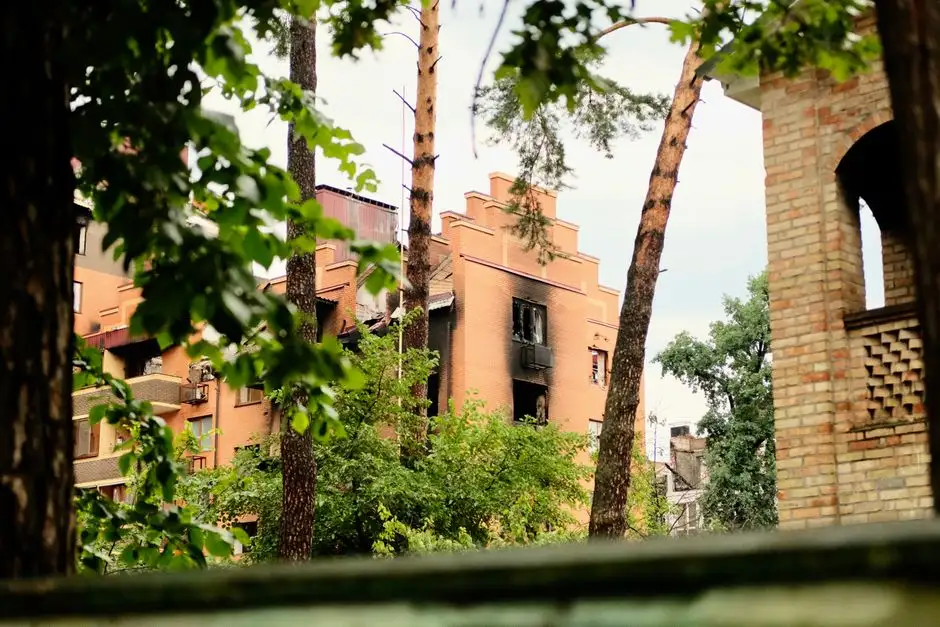
Smoke Damage Restoration
Smoke residue penetrates wall cavities and ductwork long after flames are out. We run air scrubbers, HEPA vacuums, and hydroxyl generators alongside structural work so the rebuilt rooms do not smell like the fire that caused them.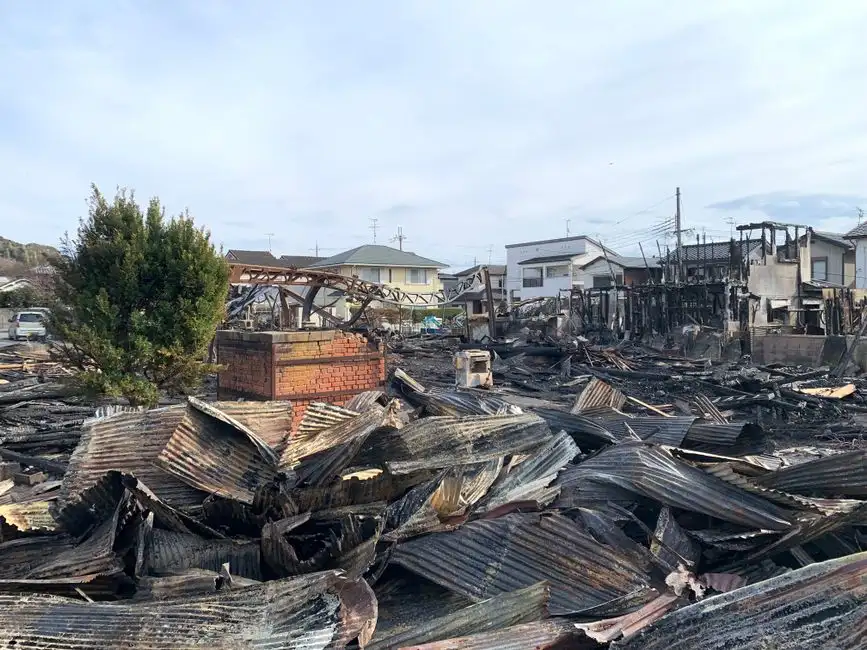
Fire Damage Clean Up
Debris removal, soot sponging, and char removal happen before framing goes back in. On any structural repair job in Pacific Palisades, clean-out is step one - you cannot inspect or rebuild a wall that is still full of burned insulation.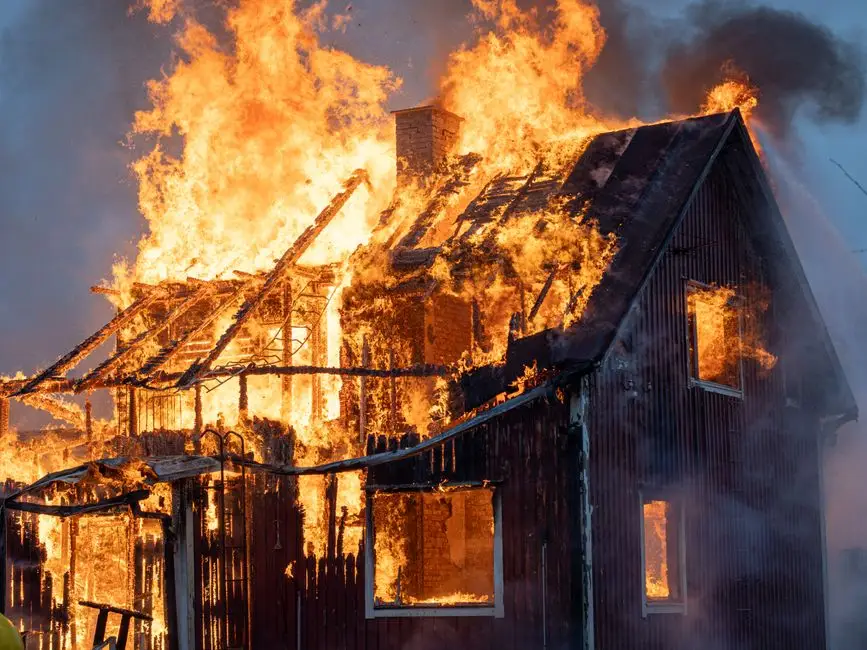
Emergency Fire Damage Restoration
Board-up, tarp-over, and temporary shoring within hours of the fire. Emergency response protects the structure from rain and theft while the insurance scope and structural plan are being prepared, which is often a multi-week window.Ready when you are
Get Structural Repair After Fire in PACIFIC PALISADES, California
One call gets a board-up crew and a licensed inspector to your door. We answer 24/7, write the scope in Xactimate, and work directly with your carrier. Call (833) 929-6186 now.
Talk with the local team
Request Structural Repair After Fire
Call (833) 929-6186 any hour of the day and a live technician will take your address and details. We give you an arrival window in that first call and dispatch a crew with board-up and extraction gear. If you prefer email, send your address and a few photos to info@firedamagerestorationpacificpalisades.com and we will respond the same day.