How to Tell if Smoke Damage Is Hiding Behind Your Walls
Smoke damage behind walls in Pacific Palisades often goes unnoticed until odor or health issues appear. Here are the signs, tests, and next steps.
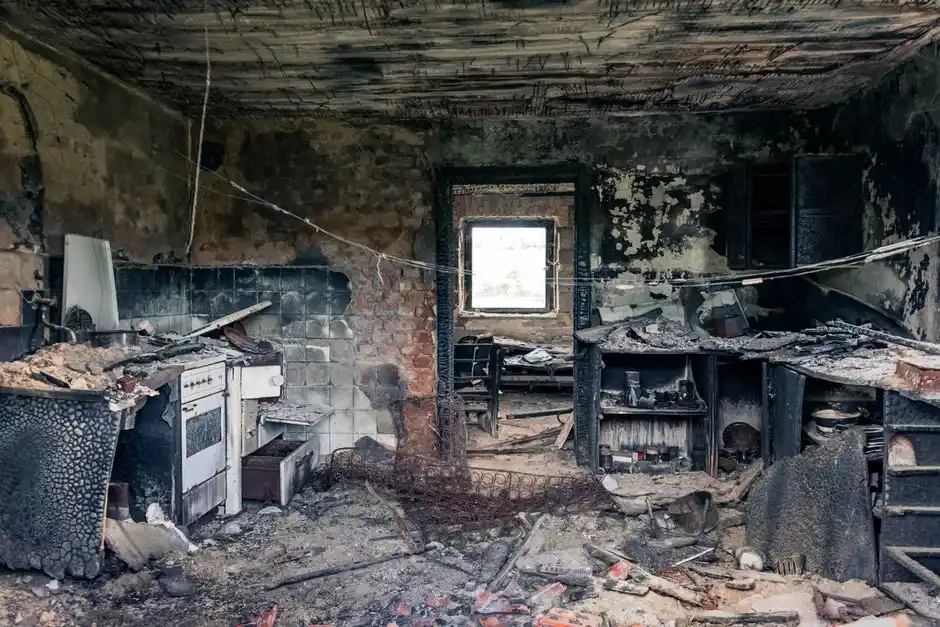
If you smell smoke in a room with no visible charring, or if a faint haze keeps returning after you clean, smoke damage is likely hiding inside the wall cavity. The telltale signs are persistent odor, discolored outlets, and soot traces along baseboards and seams. This post walks you through how to tell if smoke damage is hiding behind your walls in Pacific Palisades, California, from the first clues to the inspection steps we use on local jobs.
Why Smoke Damage Hides Behind Walls
Smoke damage behind walls in Pacific Palisades, California, happens because fire gases travel through gaps you never see. When a fire burns, smoke pushes into wall cavities through electrical outlets, switch plates, plumbing penetrations, and the top plates of framing. The residue cools and sticks to the back of drywall, insulation, and studs. From the outside, the wall looks normal. Inside, soot and acidic gases are eating into materials and holding odor.
Homes here tend to be older, many built between the 1950s and 1980s, with balloon-frame or platform framing that leaves vertical channels running from the crawlspace to the attic. That gives smoke a clear path. We have opened walls in the Alphabet Streets area after a kitchen fire and found soot six feet from the burn zone, on the back of drywall in a hallway closet. The homeowner had no idea.
Smoke residue in wall cavities in Pacific Palisades, California, is more than a smell problem. Soot is acidic. It corrodes wiring, tarnishes plumbing fittings, and degrades insulation. Left alone, it can shorten the life of your electrical system and keep odor circulating every time your HVAC runs.
Hidden Smoke Damage Signs in Pacific Palisades
Hidden smoke damage signs in Pacific Palisades usually show up as small inconsistencies you notice before you see any char. Here are the ones we tell homeowners to watch for:
- Persistent smoke odor that gets stronger when the heat or AC kicks on, or on humid mornings.
- Discolored outlets and switch plates - a brown or yellow film around the slots, even if the wall looks clean.
- Staining along baseboards and crown molding where smoke pushed out through seams.
- Bubbling paint or peeling caulk near door frames and corners.
- Headaches or irritated eyes that ease when you leave the room.
- A faint chemical or burnt smell in closets and cabinets on exterior walls.
Signs of hidden smoke damage in Pacific Palisades often cluster on the side of the house where the fire occurred, but not always. We have seen odor show up two rooms away because the HVAC system pulled smoke into the return duct and distributed it through the supply registers. If the smell moves around, suspect the ductwork and wall cavities before you repaint.
One more sign worth checking: your smoke detectors. Soot can coat the sensing chamber and cause false alarms or delayed response. If detectors act up after a small fire, that is a clue that smoke traveled farther than you think.
How to Check for Smoke Damage in Walls
How to detect smoke damage in walls in Pacific Palisades, California, starts with a simple visual and smell test you can do yourself. You do not need special tools for the first pass. Here is the sequence we recommend:
- Walk the perimeter of each room and look at outlets, switches, and trim. Use a flashlight held at a low angle to catch film and staining.
- Remove a switch plate or outlet cover (turn off the breaker first) and shine a light inside the box. Soot on the wires or the back of the box means smoke entered the cavity.
- Smell near baseboards and door frames on a cool morning with the HVAC off. Odor is strongest when the house is closed up.
- Check the attic and crawlspace for soot on the underside of roof sheathing or on top of insulation.
- Look behind picture frames and mirrors on exterior walls - smoke often leaves a shadow outline.
If those steps turn up soot or odor, the next step is a cavity inspection. A technician uses a borescope camera through a small hole in the drywall to look inside the wall without tearing it open. We also use moisture meters and thermal imaging to find temperature differences that suggest residue or hidden char. That inspection usually takes 45 to 90 minutes for a single-family home and gives you a clear map of where the smoke went.
For a deeper look at what a full inspection covers, see our Smoke Damage Restoration in PACIFIC PALISADES, California page. It outlines the testing and documentation we provide before any cleanup begins.
Smoke Odor Behind Walls: What It Means
Smoke odor behind walls in Pacific Palisades is a sign that residue is still present and off-gassing. Odor molecules from burned wood, plastic, and synthetic materials soak into porous surfaces like drywall paper, insulation, and wood framing. When humidity rises or the HVAC runs, those molecules release back into the air. That is why a house can smell fine for a week and then turn sour after a rainy day.
If your house still smells like smoke after a fire in Pacific Palisades, California, and you have already cleaned the visible surfaces, the source is almost certainly in a cavity, duct, or porous material. Painting over it will not work. The odor will push through latex paint within weeks. You need to remove the residue or seal the surface with a shellac-based primer after cleaning.
We handle odor at the source with smoke odor removal PACIFIC PALISADES California, using hydroxyl generators and thermal fogging after the cavity cleanup is complete. The order matters: clean first, then deodorize. Skipping the cleanup step just masks the problem.
Common Mistakes to Avoid
The biggest mistake we see is repainting too soon. Homeowners paint over soot-stained drywall, and within a month the stain bleeds through and the odor returns. Soot is oily and acidic; paint does not neutralize it. You have to clean and seal first.
Other mistakes that cost money:
- Using a regular vacuum on soot. It blows fine particles back into the air and can damage the motor. Use a HEPA vacuum only.
- Running the HVAC before the ducts are cleaned. That spreads soot to every room.
- Ignoring the attic. Smoke rises. Attic insulation and roof decking often hold residue long after the living space is clean.
- Assuming a small fire means small damage. A stovetop fire can send smoke through the entire wall cavity system in minutes.
If you are in a condo or apartment, check with your neighbor before you start cutting drywall. Smoke travels through shared cavities, and the cleanup may need to include adjacent units. We handle apartment fire cleanup in PACIFIC PALISADES, California regularly and coordinate access with building management.
When to Call a Professional
Call a professional when you smell smoke after cleaning, when you find soot inside an outlet box, or when anyone in the home has headaches or breathing irritation that clears when they leave. Those are signs that hidden smoke damage is affecting indoor air quality, and DIY cleaning will not reach the source.
We are Fire Damage Restoration Pacific Palisades, and we inspect wall cavities, attics, and ductwork to find where smoke traveled. Our team uses borescope cameras and thermal imaging, then gives you a written scope with pricing before any work starts. We serve homeowners across the Palisades, including Fire Damage Restoration in Marquez Knolls, where older ranch homes often have wall cavities that run the full height of the house.
If you are not sure whether you need a pro, start with a phone call. We can usually tell you over the phone whether your symptoms point to hidden damage or a surface issue.
Frequently Asked Questions
How do I know if smoke damage is behind my walls in Pacific Palisades, California?
Look for persistent odor that strengthens when the HVAC runs, discolored outlets, and staining along baseboards. A borescope inspection through a small hole confirms soot inside the cavity. Most inspections take 45 to 90 minutes.
Can smoke damage behind walls make you sick in Pacific Palisades?
Yes. Soot particles and volatile organic compounds can irritate eyes, nose, and throat and trigger headaches. People with asthma or allergies are more sensitive. If symptoms ease when you leave the room, hidden smoke residue is a likely cause.
How do you get smoke smell out of walls in Pacific Palisades, California?
Clean the residue with a HEPA vacuum and a degreaser, then seal the surface with a shellac-based primer. For cavities, we use hydroxyl generators and thermal fogging. Painting over soot without cleaning will not work.
Does smoke damage behind walls need to be removed in Pacific Palisades?
Yes, if residue is present. Soot is acidic and corrodes wiring and plumbing over time, and it keeps odor circulating. Removal usually means cutting out heavily soiled drywall and insulation, cleaning the framing, and sealing.
Who inspects for hidden smoke damage in Pacific Palisades, California?
A licensed fire damage restoration contractor with borescope and thermal imaging equipment. We inspect wall cavities, attics, and ductwork and provide a written report. Call (833) 929-6186 to schedule.
Get Help with Fire Damage Restoration in Pacific Palisades
If you suspect smoke is hiding behind your walls, we can confirm it and fix it. Call Fire Damage Restoration Pacific Palisades at (833) 929-6186 for an inspection and a clear plan.